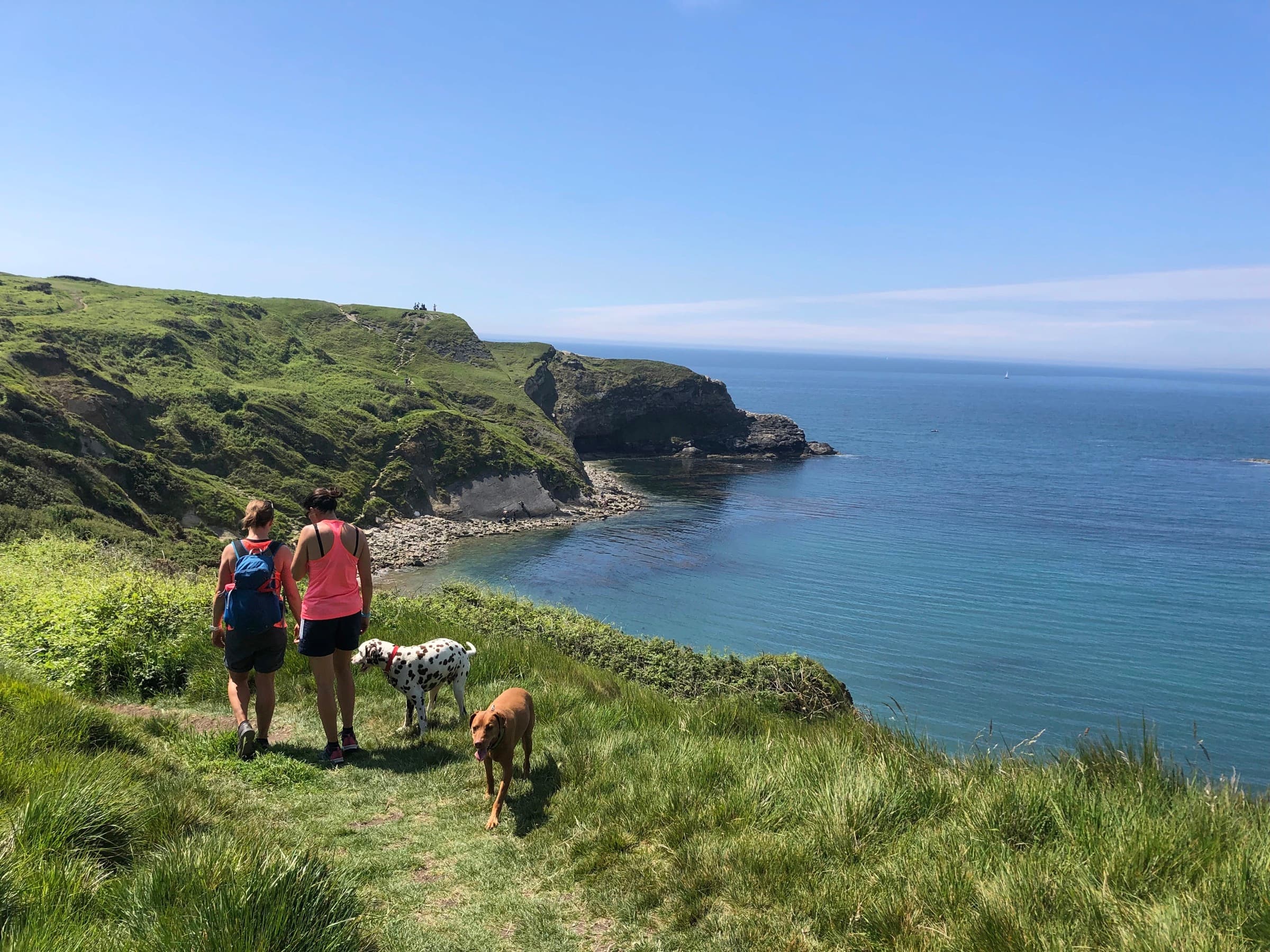
Case study · Modernisation
From printed guidebooks to a digital platform: re-engineering how a travel business operates
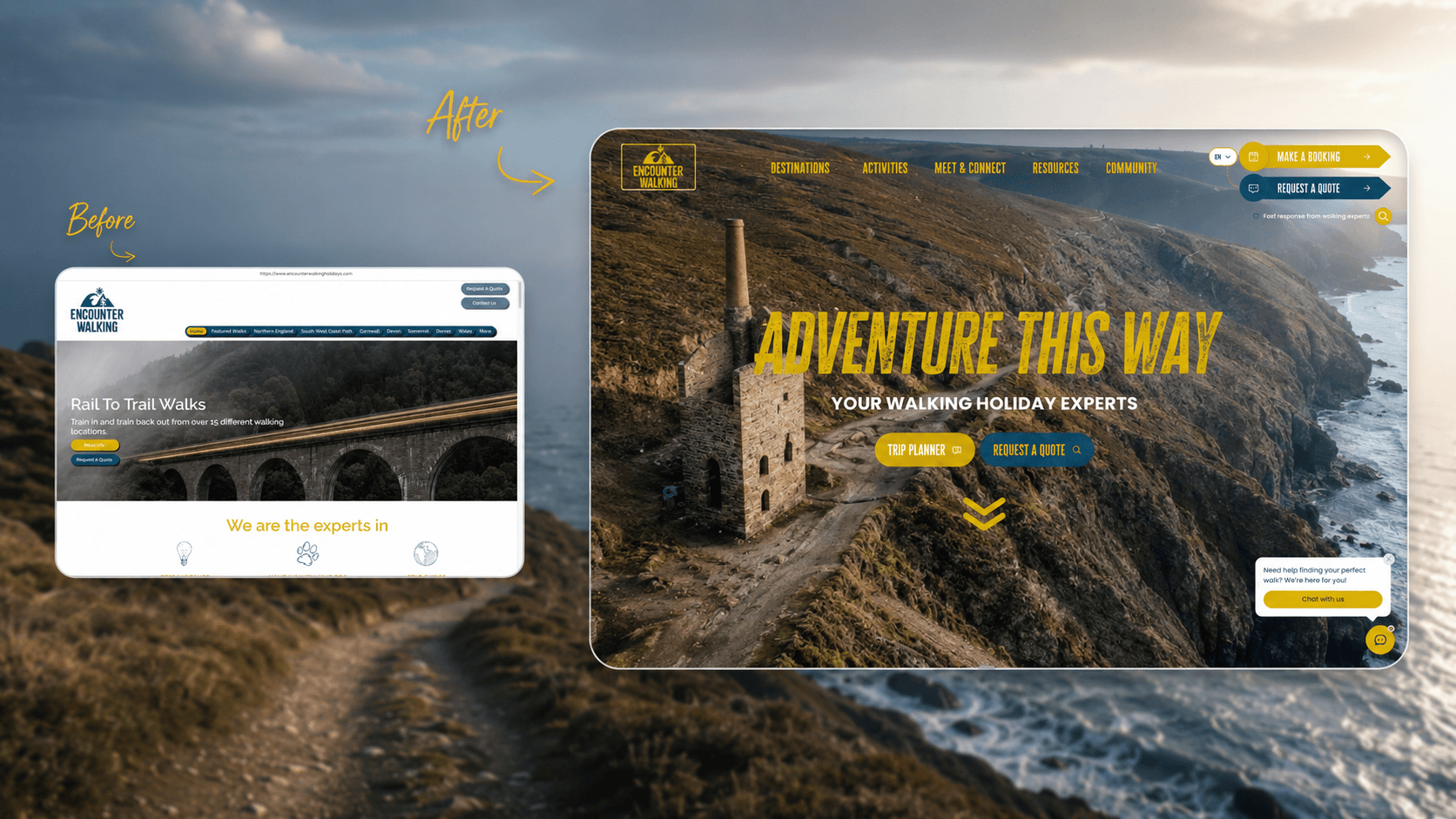
Encounter Walking Holidays arranges self-guided walking trips, and for years the product a walker received was largely physical: printed guidebooks, manually prepared maps, and admin assembled by hand behind every booking. After the business was acquired, Veda was commissioned to rebuild a site and an app — and delivered something more durable: a replatforming that moved the business from paper to a scalable digital operating model.
- problem
- Printed guidebooks, hand-prepared maps and manual administration shaped the existing service.
- build
- A rebuilt digital platform with navigation and mapping at its core.
- outcome
- A digital model that carries route information into the customer’s pocket.
- Sector
- Specialist travel
- Engagement
- Post-acquisition modernisation, from brief to replatforming
- Starting point
- Printed guidebooks, hand-prepared maps and manual admin
- In production
- A digital model with navigation and mapping at its core
An acquisition, and a business that ran on paper
Encounter Walking Holidays came under new ownership with a strong reputation and a genuinely manual engine underneath it. The knowledge that made trips excellent lived in people and documents; the product that reached the walker was printed, posted and prepared by hand for each booking.
The new owners' mandate was modernisation: keep the quality that earned the loyalty, and rebuild the machinery underneath so the business could grow without every improvement costing manual hours.
The brief we were given — and the requirement underneath it
The engagement started as a defined build: a website and an app. Working through how a trip was actually assembled and delivered, it became clear that a front-end rebuild would sit on top of the same manual production line and change very little.
So the scope widened in the open, agreed with the owners at each step rather than left to drift. That matters: scope that grows because the requirement is genuinely bigger is responsible engineering; scope that grows quietly is a failure of control. We treated the distinction seriously, and the project moved from a site-and-app rebuild to operational change.
Replatforming a working business
Modernising a live operation is a different discipline from greenfield product work. The business had to keep trading while its model changed, and nothing about the walker's experience could be allowed to degrade in transit.
The work was therefore a legacy-to-digital replatforming in the truest sense: the guidebooks, the maps and the admin were not decorations on the business — they were the business, and each had to move into a system that could produce, update and scale them without hand assembly.
Navigation and mapping as the product
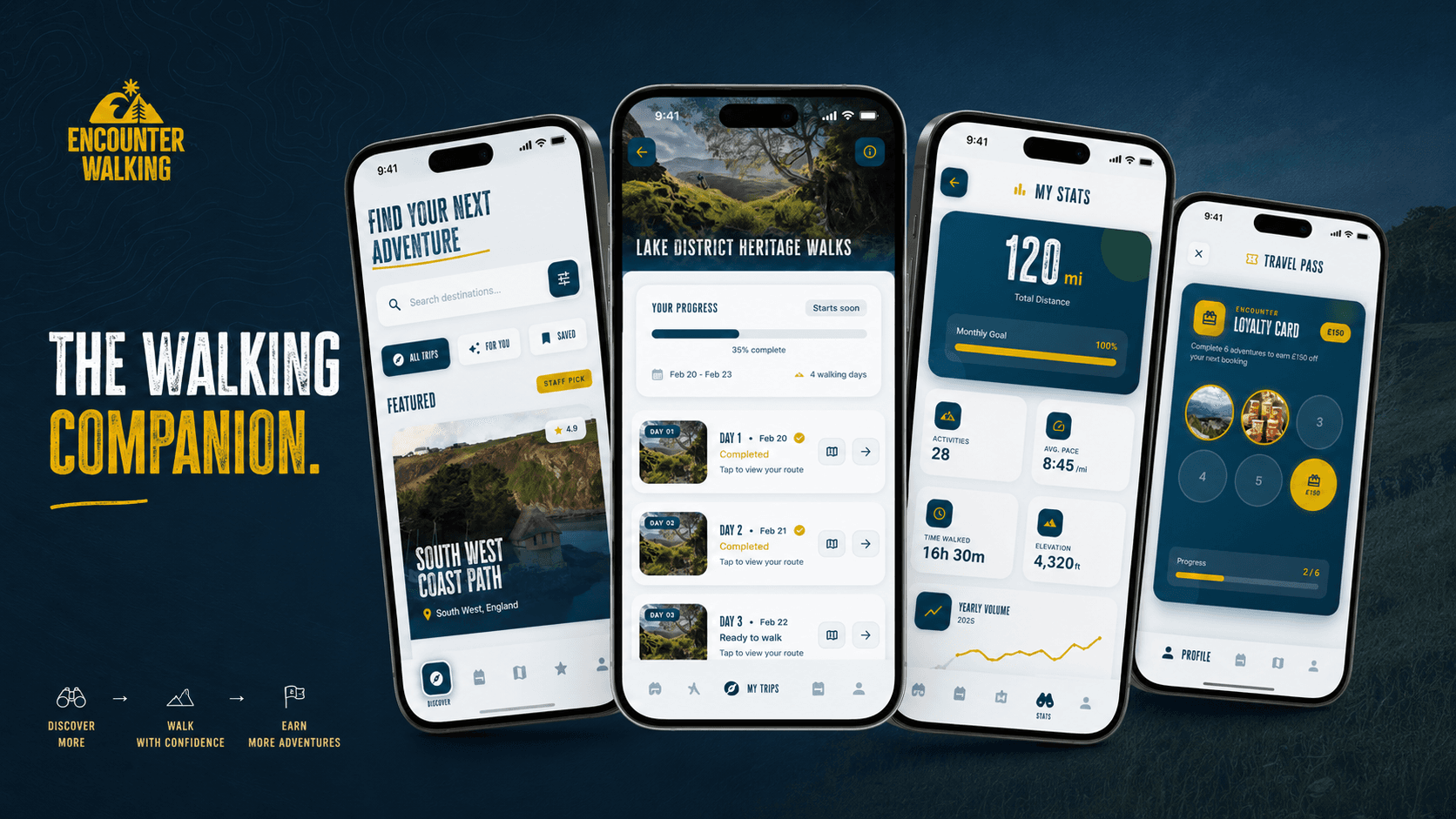
The product-thinking decision at the heart of the build: for a self-guided walking holiday, navigation is not a feature — it is the reason the customer trusts you. A walker on a hillside cares about exactly one thing working.
Digital navigation and mapping were therefore engineered as core customer value: the practical centre of the walker's experience, replacing the printed guide and hand-prepared map as the way a route travels from the company's expertise to the customer's pocket.
Taking the admin out through systems
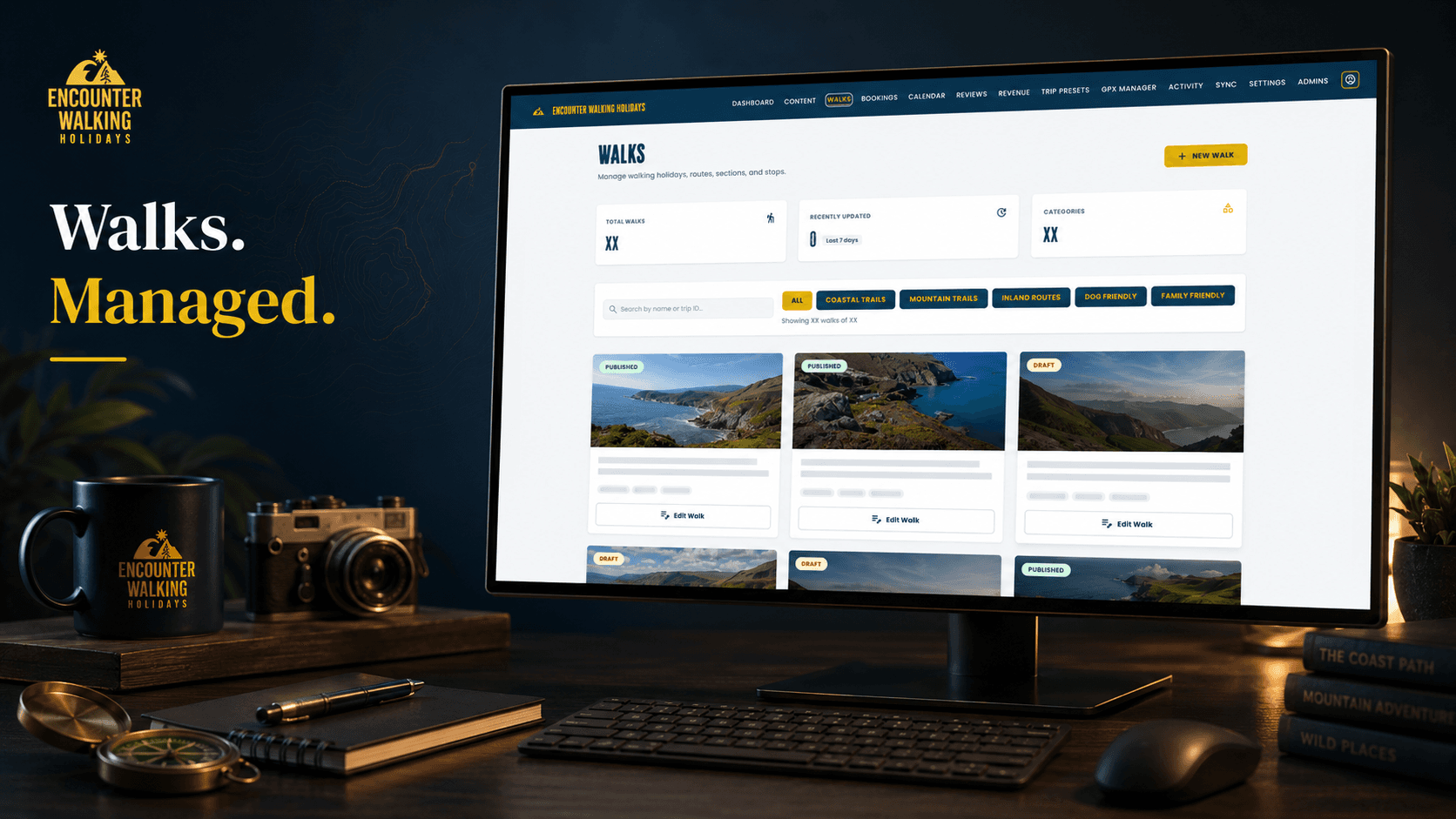
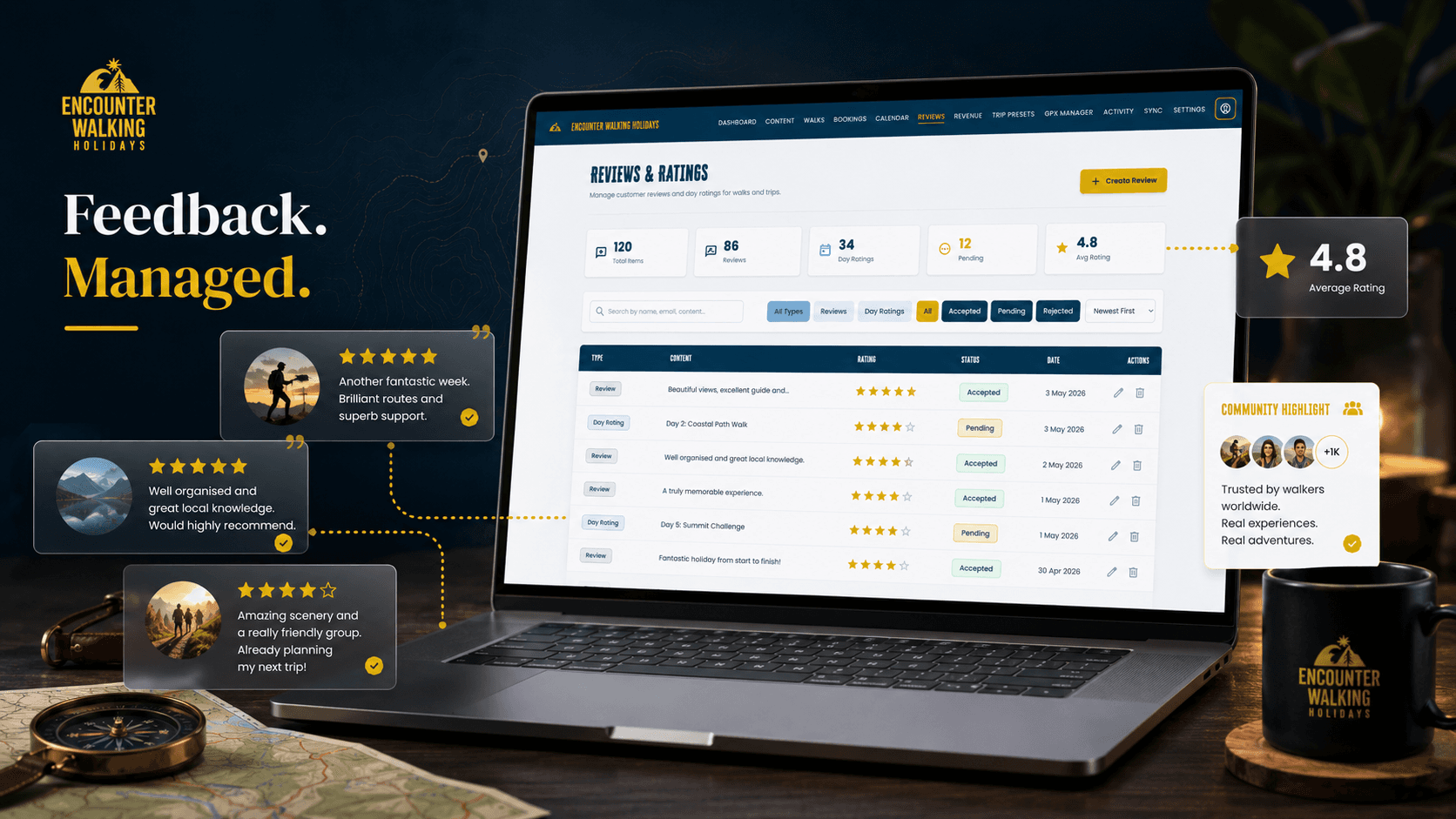
Behind the customer-facing change sat the quieter half of the build: moving trip information and booking admin out of documents and memory and into structured systems. Producing a trip stopped meaning re-producing it by hand.
That is where scalability actually comes from in a business like this — not from adding people to the manual process, but from making the process itself digital, repeatable and updatable.
What the modernisation left behind
Encounter now operates on a digital model that matches how walkers actually plan and navigate, with the operational drag of the paper era substantially designed out.
And because the scope was allowed to grow honestly, the owners got the thing they actually needed rather than the thing first written down — a distinction that decides whether modernisation projects succeed.
What this proves
What the Encounter build demonstrates
This is how Veda Software approaches modernisation: understand the operating model before rebuilding it, treat scope evolution as an open engineering decision, and put the product's real value — here, navigation — at the centre of the architecture.
- Legacy-to-digital replatforming of a live, paper-first operation
- Scope evolution handled honestly, in the open, with the owners
- Navigation and mapping engineered as core customer value
- Manual admin designed out through structured systems
Modernising a business the software never caught up with?
If your operation works but runs on paper, spreadsheets and memory, start with how the business really runs. A Business Improvement Partnership can prioritise the software and integration changes that save time and reduce manual work, with delivery planned within your monthly days.